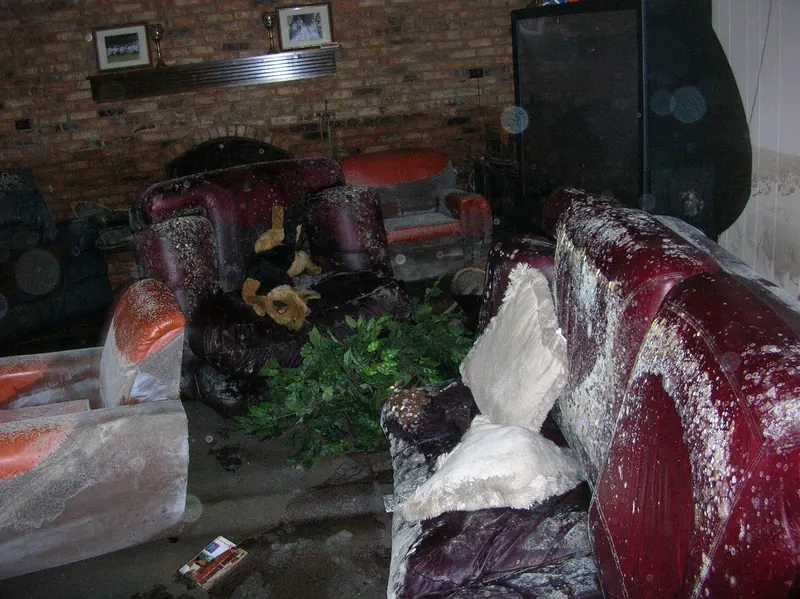
Water Damage Mold Cleanup
Water damage mold cleanup removes mold that grows after a leak or flood and dries the structure so it does not return.
See water damage mold cleanupGet plumbing leak mold assessed in Bel Air. The scope should cover repair, containment, HEPA cleaning, structural drying and final checks.
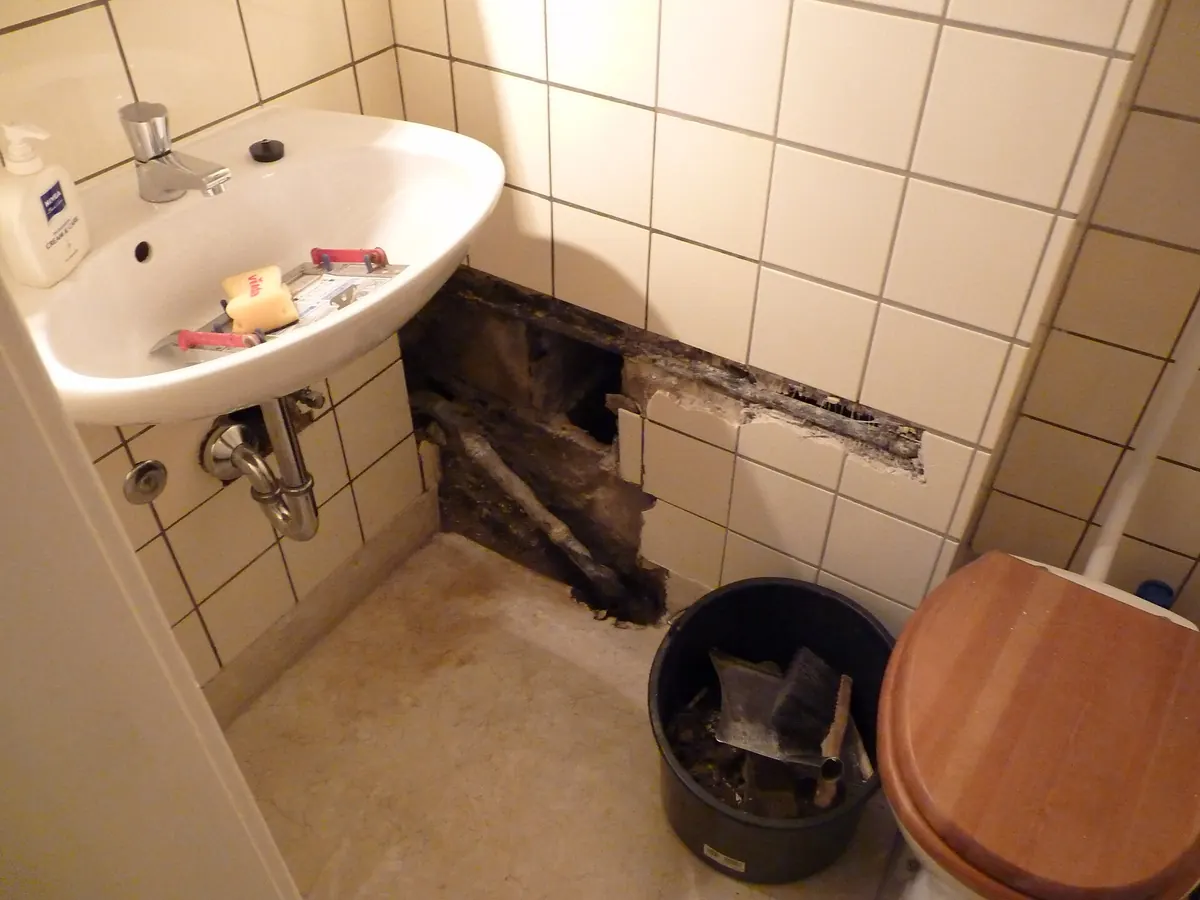
Repair, controlled removal, surface cleaning and drying make up the cleanup.
A pipe burst or leaks at the water heater, supply line or drain line can soak water-damaged material inside a wall.
Repairing the pipe ends the water intrusion. A written work scope should include drywall removal, a containment barrier, dehumidification and verification after remediation.
Check plumbing responsibility and how removal limits, drying targets and HEPA cleaning are defined.
Choose an independent assessor to test after removal rather than the company that completed the work.
Find out how repairs address the source and how moisture readings verify the area.
Find out where barriers will stand and which route debris will take out.
Odor can be a clue to unseen growth.
A pinhole leak can wet insulation and drywall backing. Inspect for odor and stains.
Dark growth under the sink may appear after a drain leak. Risk cannot be judged by color.
A dry surface may hide a wet pad or subfloor.
A frozen pipe that bursts can impact more than one room. Do not delay drying wet materials.
Before you disturb damaged material, shut off the water.
Call (844) 352-3560Fixr puts combined water and mold damage between $2,700 and $10,000 while $150 to $350 covers a small leak repair, excluding mold removal. Affected materials and plumbing repair shape cost.
Published national cost guides are the source of these ranges, rather than an inspection of your property. Following an on-site assessment, the property price should be explained to you before any work begins.
Ask about cost: (844) 352-3560Whether a loss is covered rests on policy terms. Seepage may be treated differently than sudden and accidental damage, with possible limits on mold coverage.
California's Toxic Mold Protection Act includes a landlord written-disclosure section (Health and Safety Code 26147). By its own wording it applies only after the state adopts mold exposure standards, and the state health department has said it could not set them. Store the plumbing invoice, remediation scope, readings, pictures and clearance report.
Your insurer can explain whether the insurance claim lists drying, rebuilding and removal separately.
Keep photos, moisture readings, invoices and the repair record for the adjuster.
Under California's housing law, visible mold found by a health officer or code enforcement officer can make a rental substandard. Renters can contact their local health or code enforcement department to ask for an inspection. Save your photos after reporting the water leak. The lease, cause and insurance policy determine payment.
Begin with source control and finish with verification.
Wet materials are mapped with a moisture meter. Mold cannot be identified with a thermal imaging camera.
Dust movement is limited when an air filtration device supports poly sheeting under negative air pressure.
Take out wet drywall, ceiling tile, insulation or carpet that cannot be cleaned and dried.
A HEPA vacuum can clean sound framing, while damp wiping treats non-porous surfaces.
The drying process uses dehumidifiers, air movers and ongoing moisture readings.
Inspect dry materials, cleanliness and the leak repair. Choose a separate assessor to complete clearance testing.

Call any hour. Talk with a mold after a plumbing leak or burst pipe specialist about what you are seeing and the steps ahead.
Seek assistance when growth is extensive, HVAC is affected or water is contaminated.
Exposure to mold can trigger symptoms of allergies and asthma. Those with lung disease, asthma or weakened immune systems are at higher risk.
A HEPA air scrubber works with poly sheeting and negative air pressure to contain dust.
A moisture meter can find wet insulation and other affected materials.
Can you clean it yourself? EPA states that cleanup is often possible for an area under about 10 square feet once the water issue is fixed.
Access, the drying process and final checks determine timing. Moisture that remains hidden can add time.
Musty smells can indicate moisture in a cabinet, below flooring or behind a finished surface.
Indoor relative humidity should stay below 60 percent and ideally between 30 and 50 percent. A dehumidifier cannot fix an active leak.

California has no state license or certification for mold assessors or remediators, according to the California Department of Public Health. General construction work above a small dollar amount does need a license from the Contractors State License Board (CSLB), so it is worth checking a contractor's license there and asking about their mold training. Ask which permits apply to plumbing, demolition, electrical access or reconstruction.
EPA guidelines say to dry water-damaged areas within 24 to 48 hours to prevent mold growth.
Indoor mold has no established federal limit. Focus on moisture, materials and testing purpose.
The California Department of Public Health (CDPH) Air Quality Section publishes mold and dampness guidance and a mold FAQ. CDPH says visible mold, dampness, and mold odor are unhealthy and should be fixed, and that routine mold testing is not needed when mold is visible. Confirm requirements based on property type and the planned mold, plumbing and rebuilding work.
The full mold after a plumbing leak or burst pipe guide covers what is cleaned or removed, odor and air quality work, and the rules that apply in Los Angeles County and California.
Read the full mold after a plumbing leak or burst pipe guide
Local housing, humidity and property access can shape moisture control, containment and mold cleanup planning.
An address in Bel Air may have its own attic, crawl space, basement, or shared wall, and those features shape where removal work must reach.
Visible mold shows where to begin, but a musty odor or damp material in the next room can point to growth hidden behind finished surfaces.
Ask on the phone about mold cleanup for nearby ZIP codes and communities.
Water damage mold cleanup removes mold that grows after a leak or flood and dries the structure so it does not return.
See water damage mold cleanup
Hidden mold remediation finds and removes mold growing behind walls, under floors and above ceilings where you cannot see it.
See hidden mold remediation (behind walls)
Damaged wallboard is cut away during drywall mold removal, the interior framing is cleaned and new material replaces what was removed.
See wall and drywall mold removal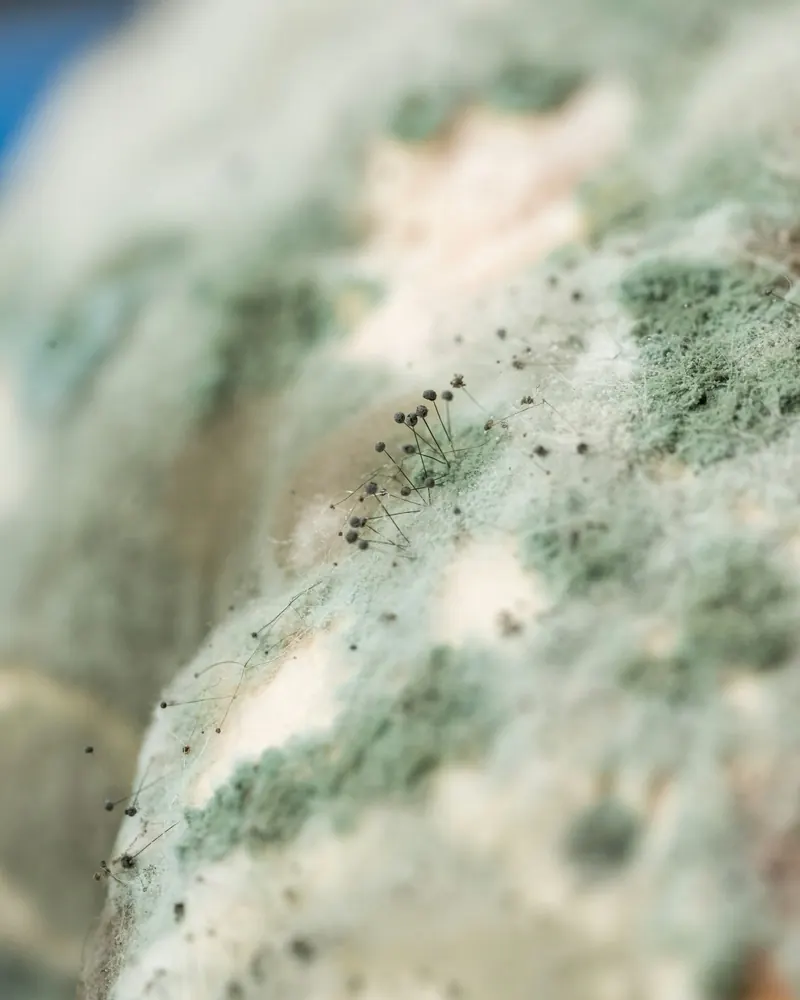
Floor and subfloor mold removal replaces or cleans affected carpet, flooring and subfloor while correcting the moisture source underneath.
See floor and subfloor mold removal
During kitchen mold removal, workers clean wall surfaces and areas under sinks or behind cabinets, then track down the damp spot or leak.
See kitchen mold removal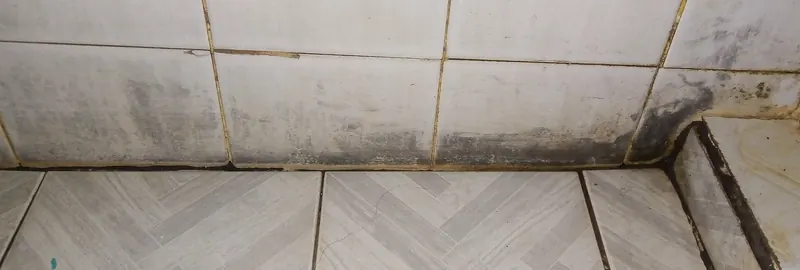
Growth on bathroom ceilings, grout, walls and behind shower areas is cleaned through bathroom mold removal, with leaks and poor ventilation investigated.
See bathroom mold removal
Workers first use a mold inspection to find the affected areas and then remove and clean the growth.
See mold inspection and removal
With mold damage restoration, mold is removed first, then affected drywall, floors, insulation and other materials are fixed or replaced.
See mold damage restorationMold can look like discoloration, spots or fuzzy areas across wood, drywall and cabinet backing. Mold may stay out of sight, with repeated moisture or odor serving as the first sign. You cannot determine mold type by appearance or measure its risk by color.
The problem cannot be solved with only a product. Stop the leak before removing porous material beyond saving, surface cleaning and drying the building structure. Antimicrobial treatment may support cleanup, but it does not replace removal, HEPA cleaning or moisture verification.
Stop the leak, remove standing water and dry water-damaged items promptly. EPA recommends working within 24 to 48 hours for growth prevention. Inspect cavities, floors, cabinetry and drywall. Keep indoor humidity below 60 percent, ideally between 30 and 50 percent.
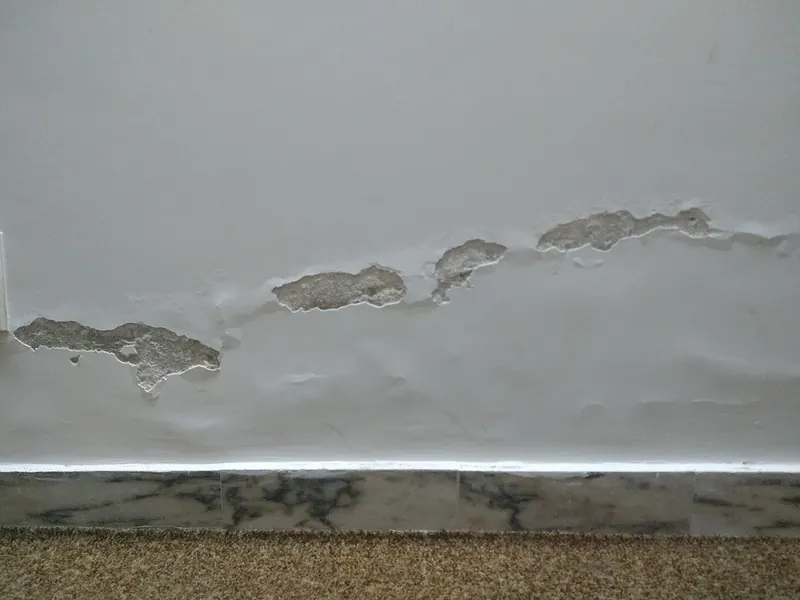
Yes. A pinhole, supply line or drain line leak may leave moisture inside the wall cavity. An odor, recurring discoloration, soft material or peeling paint can signal hidden dampness. The cavity can be examined through moisture mapping and carefully targeted access. Mold cannot be identified through thermal imaging by itself.
When building materials remain damp, leaked water can support mold in many colors. Dark color does not prove one patch is more dangerous. Repair the leak, then base removal on moisture, the affected area and material condition rather than color alone.
Once the water issue is fixed, EPA allows homeowner cleanup for an area under about 10 square feet in many cases. Get experienced help for larger growth, sewage, HVAC involvement or hidden growth that requires opening walls or removing porous materials.
Get calm, practical guidance about mold after a plumbing leak or burst pipe, with calls answered 24 hours a day.