
Mold Remediation
Mold remediation contains and removes mold growth, cleans the affected space and corrects the moisture source behind the problem.
See mold remediationPlan urgent mold removal after a leak, flood or storm in Bel Air. Address water, containment, cleaning, drying and repairs.
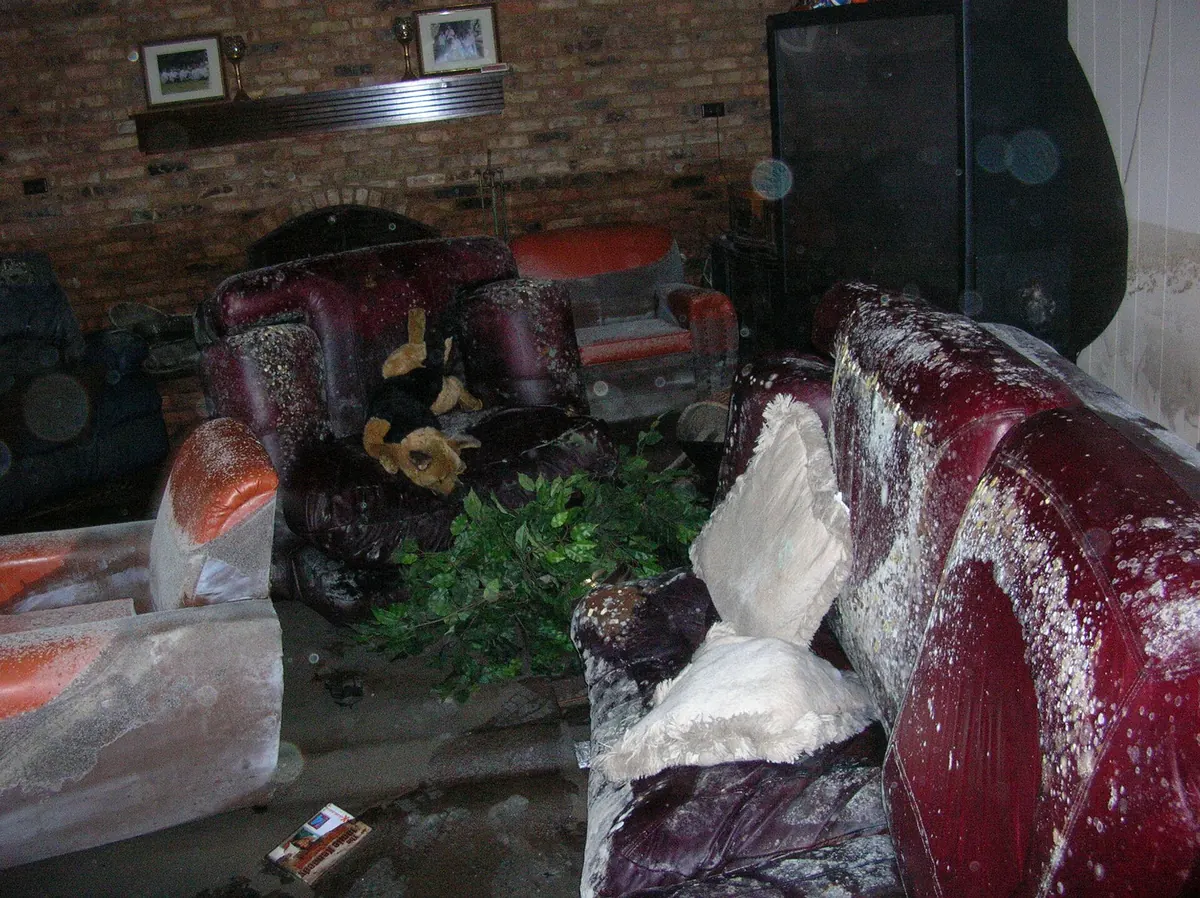
After a burst pipe, flood or storm, emergency mold removal follows a controlled plan for inspection, containment, drying and cleaning.
During the first visit, active water, materials and hazards are identified. You may need emergency water extraction when standing water remains.
Before work begins, a written scope should outline containment, repairs, cleaning, drying and the plan for growth that is hidden.

Ask about the plan to stop water, locate its source and identify who makes repairs.
Rooms, affected materials, removal boundaries, cleaning, drying and hidden-growth steps belong in the scope.
Find out what sampling will determine. Select an independent assessor to perform clearance.
Ask about barrier placement and the plan that helps occupants avoid the affected area.
When incoming water continues or safe isolation is not possible, arrange an assessment promptly.
Treat floodwater as possibly containing contaminants. Water involving sewage, a drain or outdoor sources requires experienced help.
Turn off the water safely, and stay clear of electrical hazards. Before removal, extraction might be necessary.
A damp odor, soft wall or wet baseboard can point to concealed moisture. Meter readings help define the area.
You should close outside openings safely. Use containment to keep clean rooms away from demolition dust.
Start with the water issue, and do not move or disturb moldy materials.
Call (844) 352-3560Use mold remediation as the closest cost comparison. The card labels and ranges come from published material. Repairs or water work may affect the total.
The figures are published national cost guide ranges, not results of a property visit. An on-site assessment determines the price for your property, and you should receive an explanation before the work begins.
Ask about cost: (844) 352-3560The source of moisture and policy terms decide coverage. Treatment of sudden damage may differ from recurring humidity, seepage over time or neglected maintenance. Check for a mold sublimit.
Under California's housing law, visible mold found by a health officer or code enforcement officer can make a rental substandard. Renters can contact their local health or code enforcement department to ask for an inspection. Save access records, notices and photos. Payment depends on the cause and lease.
Check your exclusions along with the mold sublimit. Request the insurer's policy-based explanation.
Notify your insurer. Ask if the cause is covered and which records are needed.
California's Toxic Mold Protection Act includes a landlord written-disclosure section (Health and Safety Code 26147). By its own wording it applies only after the state adopts mold exposure standards, and the state health department has said it could not set them. Retain the clearance report along with invoices, readings, photos and the scope.
The steps for mold remediation are tailored to the affected materials and moisture measurements during the removal process.
The area can be mapped with a moisture meter while a thermal imaging camera supplies images that cannot confirm mold.
The work zone stays apart from clean rooms through poly sheeting while a negative air machine controls airflow.
Protective equipment, entry locations and waste paths are planned by the cleanup crew to control cross-contamination.
An air scrubber captures particles during material removal.
Drywall removal may include ceiling tile, carpet and wet insulation.
Non-porous surfaces can require wire brushing, a HEPA vacuum or HEPA sanding. Drying equipment follows along with air movers.
Dust and moisture are checked. An independent assessor should complete clearance testing.

Call any hour. An emergency mold removal specialist answers, talks through what you are seeing and explains the next steps.
Added precautions are necessary for contaminated water, while disturbance can distribute particles and moisture may be concealed.
Contaminated water changes protective equipment, material handling and cleaning methods.
Dry surfaces may cover wet insulation or framing. Moisture readings find layers still damp.
In some people, mold may trigger symptoms related to allergies and asthma. The affected area should be avoided by higher-risk occupants.
Can you clean it yourself? According to EPA, fixing water lets homeowners often clean areas under about 10 square feet. Larger areas, contaminated water and HVAC growth need professional help.
Cleaning may allow hard surfaces to remain, while porous materials often must be removed when growth is embedded.
California has no state license or certification for mold assessors or remediators, according to the California Department of Public Health. General construction work above a small dollar amount does need a license from the Contractors State License Board (CSLB), so it is worth checking a contractor's license there and asking about their mold training. Your building office can explain any permit requirements for rebuilding or removal.
Water-damaged areas and belongings should be dried within 24 to 48 hours to prevent mold growth. Without repairing the water source, mold can return.
Indoor mold has no limit established at the federal level. Testing needs a specific question and should account for moisture and visible conditions.
The California Department of Public Health (CDPH) Air Quality Section publishes mold and dampness guidance and a mold FAQ. CDPH says visible mold, dampness, and mold odor are unhealthy and should be fixed, and that routine mold testing is not needed when mold is visible. Find out which local rules cover assessment, removal and your planned repairs.
The timeline depends on drying, repairs, removal and clearance. Controlling the water may be the first step.
The full emergency mold removal guide covers what is cleaned or removed, odor and air quality work, and the rules that apply in your state.
Read the full emergency mold removal guideLocal housing, humidity and property access can shape moisture control, containment and mold cleanup planning.
An address in Bel Air may have its own attic, crawl space, basement, or shared wall, and those features shape where removal work must reach.
Visible mold shows where to begin, but a musty odor or damp material in the next room can point to growth hidden behind finished surfaces.
Your call can include questions about mold cleanup availability in close-by communities and ZIP codes.
Mold remediation contains and removes mold growth, cleans the affected space and corrects the moisture source behind the problem.
See mold remediation
Mold cleanup means removing mold from surfaces and materials, bagging damaged items and cleaning the area so it is ready for repairs.
See mold cleanup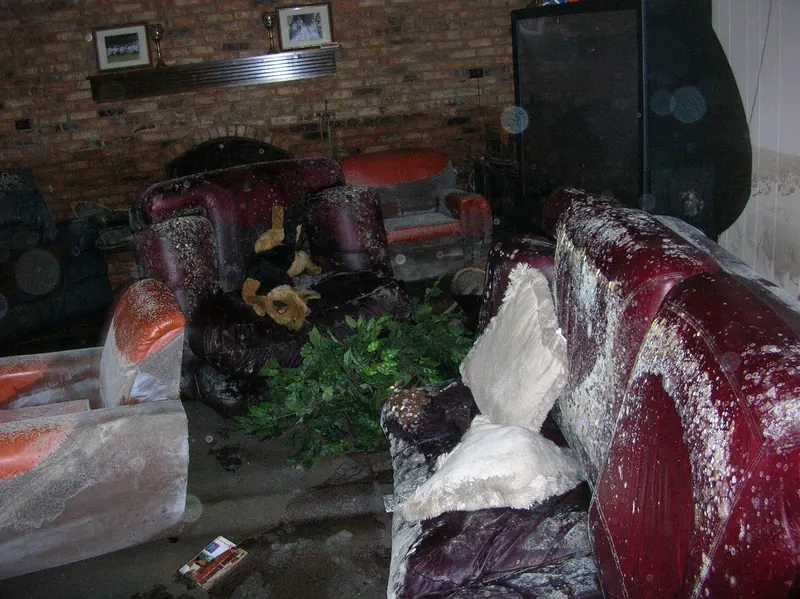
Water damage mold cleanup removes mold that grows after a leak or flood and dries the structure so it does not return.
See water damage mold cleanup
Mold cleanup after floodwater, heavy rain or storm damage includes removing growth from materials such as flooring and wet drywall.
See flood and storm mold cleanup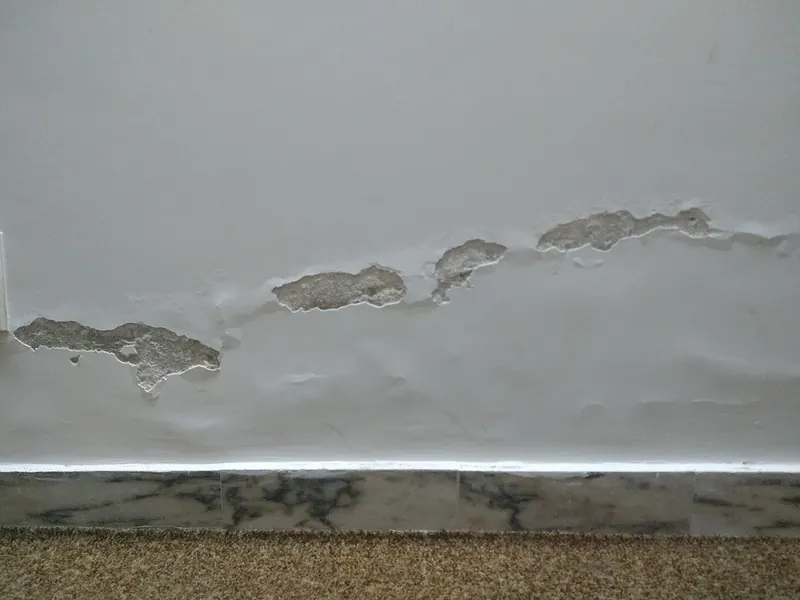
Hidden mold remediation finds and removes mold growing behind walls, under floors and above ceilings where you cannot see it.
See hidden mold remediation (behind walls)
Workers first use a mold inspection to find the affected areas and then remove and clean the growth.
See mold inspection and removal
From one affected room to several, residential mold removal covers houses and condos with work by a crew in your area.
See residential mold removal
With mold damage restoration, mold is removed first, then affected drywall, floors, insulation and other materials are fixed or replaced.
See mold damage restorationNot every visible problem needs air sampling. Testing should answer a question that inspection and moisture mapping cannot resolve. Find out how the result would affect the remediation protocol. An independent assessor should complete any post-remediation verification or clearance testing afterward.
You may call at any time with details about visible growth, the water source and affected rooms. The initial steps could include water control, safety instructions or a containment plan. The inspection establishes the project's full requirements and when removal may start.
Seek urgent help when water is still entering, growth is larger than about 10 square feet, several rooms are affected, contaminated water is involved or mold may be inside HVAC equipment. A controlled assessment is also appropriate when access is unsafe or occupants are sensitive.
Your policy and the moisture source determine coverage. A sudden covered event may be treated differently from a slow leak, recurring humidity or delayed maintenance. Ask about coverage for the cause, any applicable mold sublimit and the records you must submit.
Turn off the water only when you can safely reach it. Do not scrape the growth, and keep pets and people out. Switch off any HVAC equipment that could be affected. Arrange for moisture, visible growth and wet materials to be assessed after you safely photograph the damage.
Published pricing guides do not show an urgent rate separately. The closest comparison comes from typical mold remediation figures. Your total reflects repairs and water extraction, plus the affected area, site access, containment, drying and materials removed. You should verify the scope and source supporting a proposed price.
For calm and useful guidance about emergency mold removal, you can reach someone by phone 24 hours a day.